MOTHER MARY, COME TO ME
feature film | in development
2028
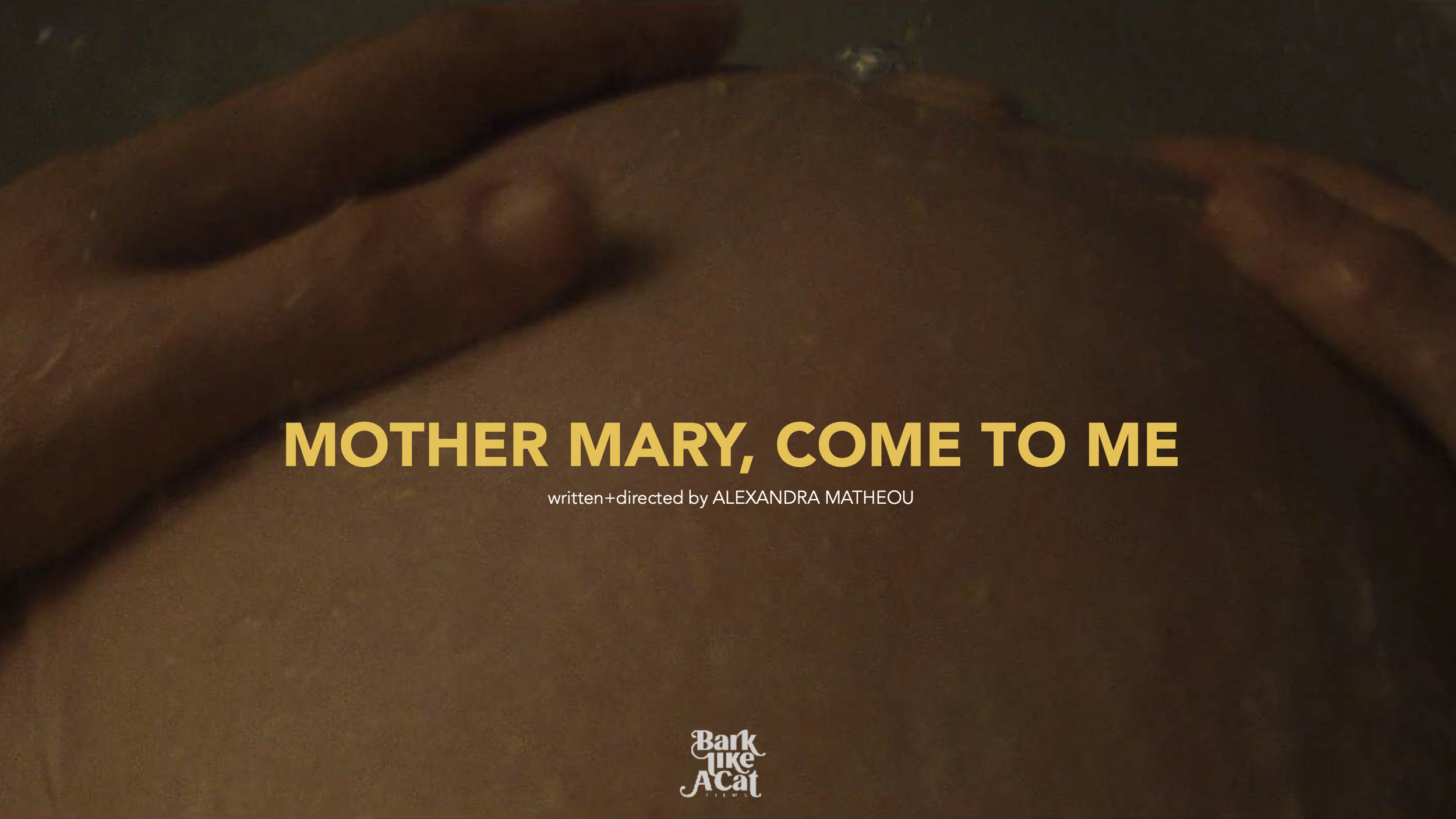
A surrogate mother joins the couple expecting her baby on a vacation. As a love triangle quietly takes shape, she is confronted with the emotional cost of surrogacy; and the realization that her job doesn’t always end at birth.
MOTHER MARY, COME TO ME
(previously titled Shibboleth)
writer | director: Alexandra Matheou
producer: Tonia Mishiali / Bark Like A Cat Films (CY)
co-producers: Maria Drandaki / Homemade Films (GR)
Soyo Giaoui, Marion Barré / La Cellule Productions (FR)
genre: psychological drama, comedy
stage: financing (46% secured)
language: Greek, English
technical info: 4K, 5.1, color
duration: 100 minutes
co-produced by: homemadefilms, La Cellule
logos
THE STORY
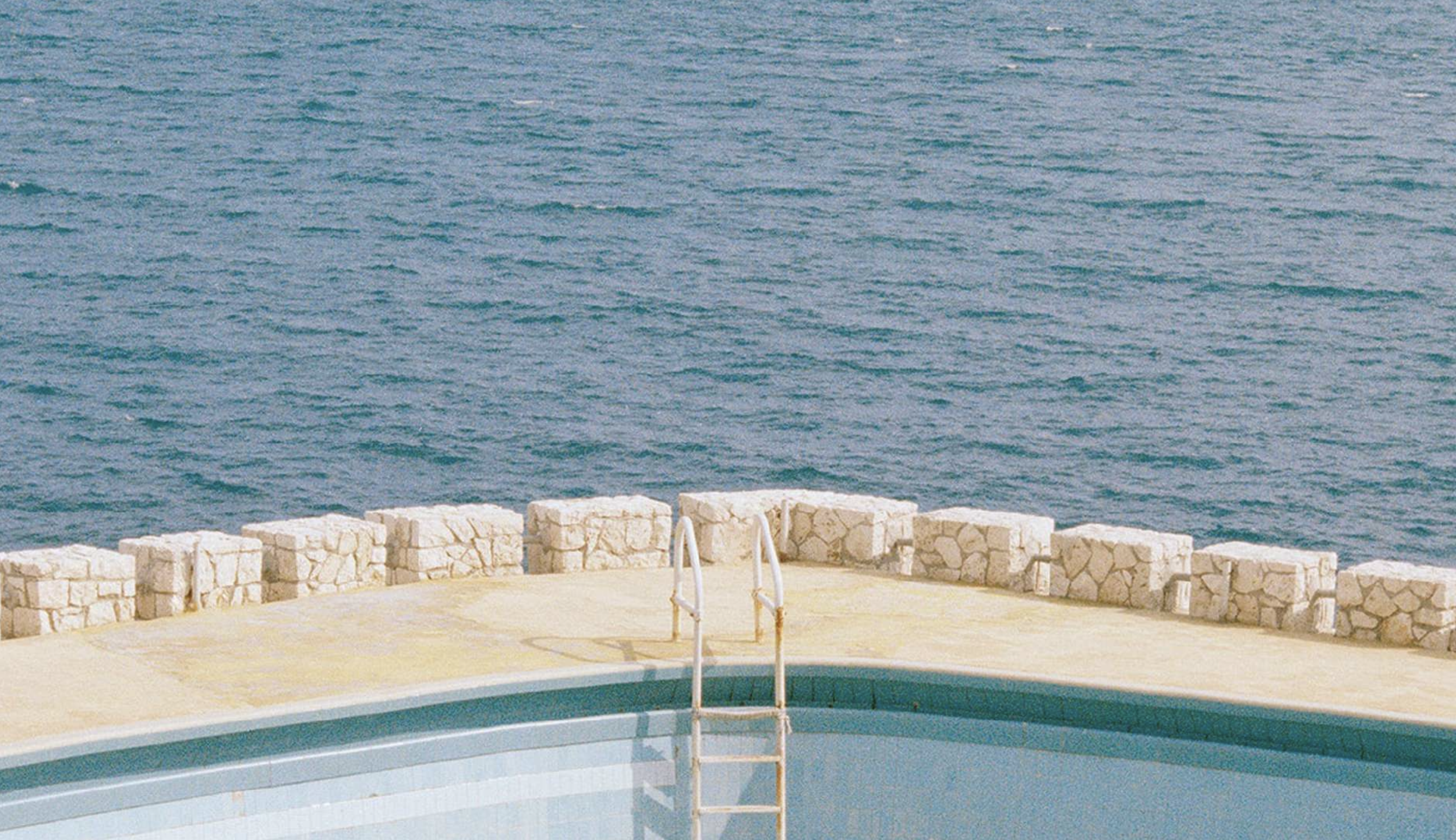
Mary (38) makes her living as a surrogate mother. When Nora (50) and Sylvia (53), the sophisticated couple expecting the baby, welcome her to their summer home on a remote Mediterranean island, Mary begins to realize this vacation is not exactly the paradise she expected.
On this secluded island, the central figure is The Mother, a charismatic matriarch whose arrival in the 1970s coincided with the locals’ miraculous halt of aging and death. Revered as a living saint, The Mother reigns quietly over the island, adored and obeyed by all. To become part of this deathless community, one must earn their place. Sylvia - an island native - already belongs. It is Nora who still needs to be accepted and for that to happen, a child must be born on the island and passed on to the cult. The two women offer Mary plenty of comfort and a generous extra fee that tempt her to extend her stay.
But as the days stretch on, boundaries blur. What begins as a practical arrangement gradually deepens into an intoxicating love triangle. Mary is pulled deeper both into the couple’s private world, but also into The Mother’s seductive vision of belonging. Even as the island keeps on promising peaceful serenity, Mary must confront the emotional cost of carrying life for others; and the unsettling truth that in a place where no one dies, something else must be lost.
a little bit about why
The story surfaced as I arrived at the certainty that I want to remain child‑free. It has become a decision shaped by witnessing, up close, the mothers around me. My friends, collaborators, peers - women who are brave enough to speak about motherhood not as myth, but as visceral, unfiltered, often contradictory experience. In their honesty, I saw the reality of that choice. And I realized it was not mine. But this decision, though clear, is not without its own quiet what if. It is a grief of another kind, harder to name, but always present.
what if death was no longer a problem?
Within the universe of this Island, the story unfolds in a place that seems to have defeated death; or so its people believe. For as long as I can remember, my existential anxiety around the subject matter of death has been a constant shadow. This is why I created a playground where I could ask: if eternal life were possible, would it actually make life better? Or would it unravel everything we think we know about living?
This film is also an attempt to answer this question.
there’s something about Mary
At the heart of this story is Mary’s impossible dilemma, one that feels almost like a cosmic joke. What appears to be at stake is her life, but in reality, it is something even greater: her freedom. She arrives carrying another couple’s child and discovers a community that claims to have stopped dying. Her body, at once commodity, vessel, and frontier; becomes the site where capitalism, motherhood, and metaphysical longing collide. As a surrogate she’s done this before. But something shifts on this second occasion. What she thought she could compartmentalize begins to infiltrate her.
Mother Mary, Come to Me is a psychological drama with absurdist undertones. It invites the viewer in with beauty and intimacy, only to gradually shift the ground beneath their feet. The tone of the film is immersive, often hypnotic, building its emotional weight through mood and atmosphere. While literature has explored motherhood and its contradictions in profound and varied ways, cinema still approaches it cautiously, especially from the vantage point of surrogacy. This film attempts to bridge that gap. It offers not a moral dilemma or social issue but an existential and bodily inquiry into maternal ambivalence.
post-wounded women, motherhood, faith and other maladies
I am part of a generation of women navigating new language around motherhood. We are unlearning shame, questioning myth, and embracing the full spectrum of ambivalence. I wanted to make a film that honors that spectrum; not through didacticism or provocation, but through both an emotional and bodily lens. I’m interested in how pregnancy changes a woman’s relationship with time, with her body, with her identity. In how the act of creating life can both empower and unmoor you. This is a film made not from fear of motherhood (or surrogacy for that matter), but from the desire to understand it, to approach it honestly, and to allow its emotional complexity to unfold on screen without needing to justify itself.